
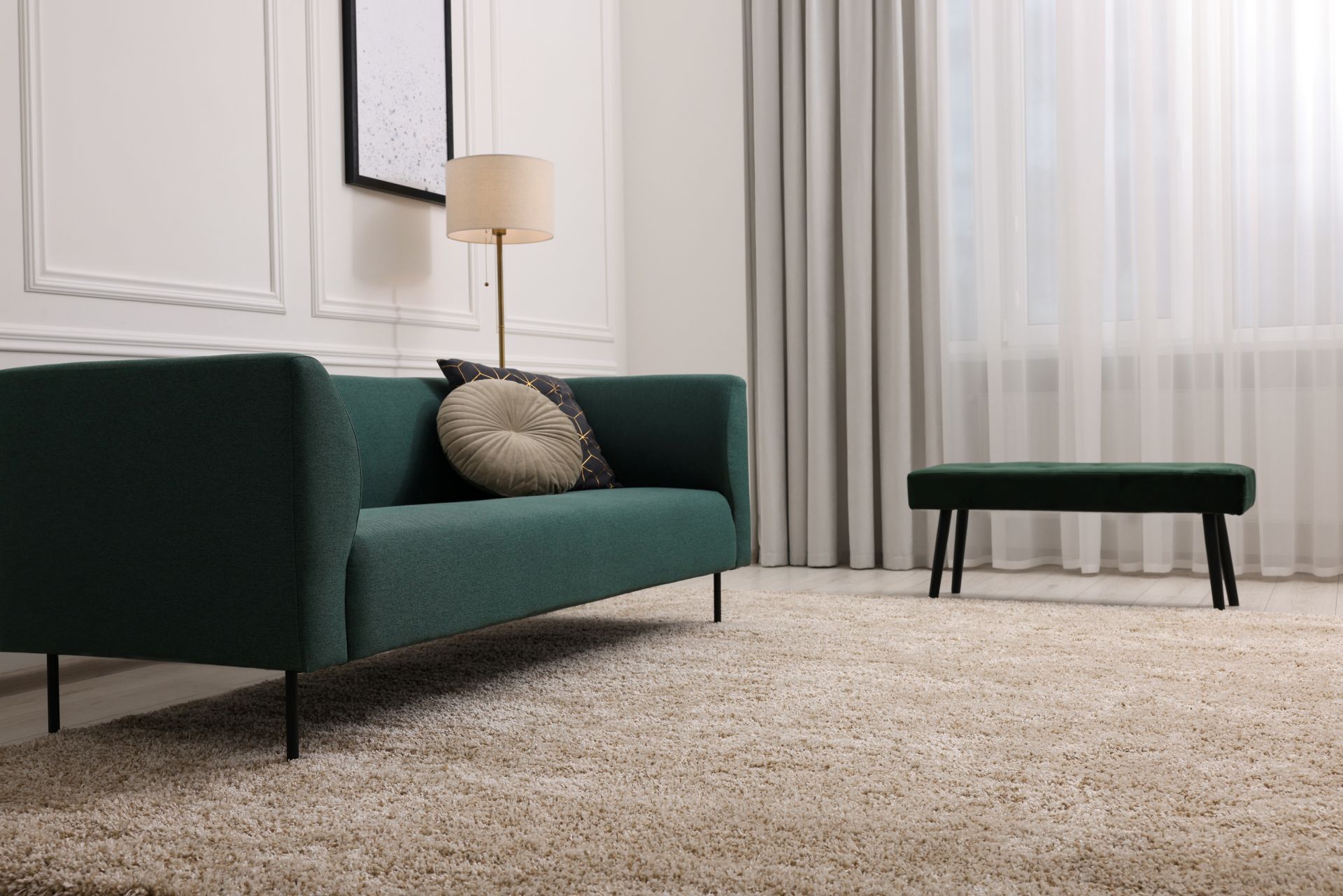
Comfort That Changes How Rooms Feel
Carpet Flooring in Grand Junction for homes where softness, warmth, and quiet matter daily
Originally New installs carpet flooring that addresses noise transfer between floors, cold surfaces underfoot during Colorado winters, and the need for cushioned spaces where families spend time. The fibers absorb sound that hard surfaces reflect, the backing adds thermal insulation that reduces heating demand, and the texture provides a forgiving surface for children, pets, and anyone who values comfort over the clinical feel of tile or wood. Properties with upstairs bedrooms, finished basements used as living areas, or home offices where focus matters benefit from how carpet reduces echo and footfall noise that disrupts concentration.
The process begins with measuring each room to account for seams, doorways, and transitions to adjacent flooring materials. Installation includes removing existing flooring when needed, preparing the subfloor to prevent uneven wear patterns, and securing padding that determines how the carpet feels underfoot and how long it resists compression in high-traffic paths. Stain-resistant treatments applied during manufacturing prevent spills from bonding to fibers, which matters in family rooms and anywhere food or drinks are common.
Schedule a showroom consultation to compare fiber types and backing options suited to your room use.
What Different Carpet Constructions Actually Deliver
Carpet performance depends on fiber density, twist level, and backing structure. Dense, tightly twisted fibers resist matting in pathways between furniture, while looser constructions feel softer but show traffic patterns sooner. Nylon holds color and resists stains better than polyester but costs more per square foot, while polyester offers a softer hand and works well in bedrooms where foot traffic stays light. Padding thickness affects how the carpet feels but also how long it lasts—thicker is not always better because excessive cushion allows fibers to flex too much with each step, accelerating wear at the base of the yarn.
After installation, you notice the temperature difference immediately when walking barefoot, the reduction in noise from upstairs rooms becomes apparent when someone walks overhead, and the space feels visually warmer because carpet absorbs light rather than reflecting it like hard surfaces do. Rooms with carpet also accumulate less dust on furniture surfaces because fibers trap particulates that would otherwise circulate and settle.
Carpet works well in bedrooms, family rooms, home offices, and finished basements, but performs poorly in entryways with direct exterior access or spaces with regular moisture exposure. Choosing the right style means matching fiber type and density to how the room gets used rather than selecting based solely on initial appearance.
Questions Property Owners Ask Before Choosing Carpet
Homeowners in Grand Junction often ask about durability, maintenance requirements, and how carpet compares to other flooring types for specific rooms.
What makes carpet stain-resistant?
Stain treatments bond to fibers during manufacturing and prevent liquids from soaking into the yarn, giving you time to blot spills before they set, though the protection degrades with repeated cleaning and does not make carpet impervious to all substances.
How long does carpet last in high-traffic areas?
Lifespan depends on fiber density and padding quality, with well-constructed carpet in hallways and living rooms typically showing wear patterns after seven to ten years, while bedrooms often remain intact for fifteen years or longer.
Why does padding thickness matter?
Padding cushions each footstep, but excessive thickness allows fibers to bend too far at the base with each impact, weakening the structure faster than moderately cushioned installations.
How does carpet perform in Colorado's dry climate?
Low humidity reduces static buildup concerns compared to more humid regions, but the dryness also means spills evaporate quickly if not addressed immediately, leaving concentrated stain residue that becomes harder to remove.
What colors hide wear patterns longest?
Mid-tone neutrals with subtle texture or pattern disguise traffic lanes better than solid light or dark colors, which show compression and shading more visibly as fibers lean in different directions.
Originally New provides measuring, material selection guidance, and professional installation that accounts for seam placement and subfloor preparation. Request a free estimate to compare available styles, textures, and stain-resistant options suited to how your household uses each room.