
Addressing Damage Before It Spreads
Flooring Repairs and Replacement in Grand Junction for properties with worn, damaged, or failing floor surfaces
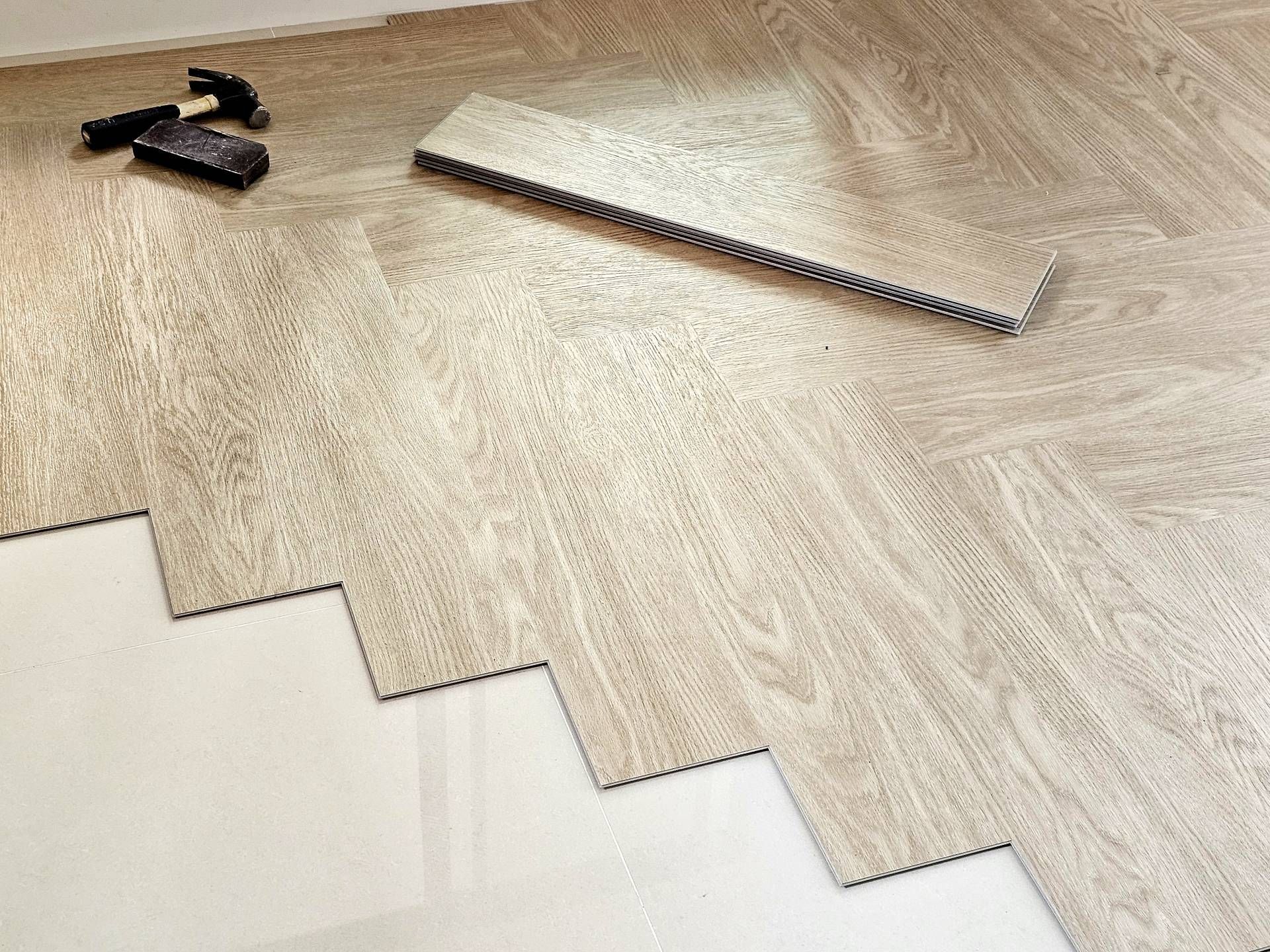
A single water-damaged section of laminate flooring, a cracked tile from dropped objects, or hardwood planks that have cupped from moisture exposure represent decision points where repair costs and visual mismatch must be weighed against replacement benefits and long-term value retention. Originally New evaluates flooring damage across residential and commercial properties in Grand Junction to determine whether isolated repairs make functional and economic sense or whether broader replacement prevents recurring problems and delivers better outcomes. Evaluation includes identifying damage causes—such as plumbing leaks, subfloor settlement, or wear from high traffic—so that underlying issues are addressed rather than just treating visible symptoms.
Repair feasibility depends on whether matching materials are still available, whether damaged sections can be accessed without disturbing surrounding flooring, and whether the remaining floor has sufficient life expectancy to justify investment in partial fixes. Some damage patterns indicate systemic problems where repair only delays inevitable full replacement while adding labor costs that could have funded better materials in a complete project.
Request an evaluation and estimate to understand whether repair or replacement provides the better solution for your specific flooring condition.
What Determines Whether Repair or Replacement Makes Sense
Flooring repairs succeed when damage is localized, materials can be matched closely enough to avoid obvious patchwork appearance, and the surrounding floor remains structurally sound without wear patterns suggesting imminent failure in adjacent areas. Replacement becomes the better option when damage covers multiple rooms, when discontinued products make matching impossible, or when subfloor issues require extensive access that would disturb most of the existing installation anyway.
After repair work completes, restored sections blend with existing flooring without height differences or visual discontinuity that draws attention to the repair location, and underlying causes like moisture intrusion or substrate movement are corrected to prevent recurrence. When replacement is chosen instead, you'll notice consistent appearance across the entire space without the patchwork effect of mismatched repair sections, and modern materials often provide performance improvements like better moisture resistance or easier maintenance compared to older flooring being replaced.
Matching existing flooring presents challenges when products have been discontinued or when installed materials have aged and changed color from UV exposure, making even identical products appear different when placed next to weathered flooring. Professional evaluation during consultation addresses whether acceptable matches are available or whether replacement provides the only path to visually consistent results.
Questions About Repair and Replacement Decisions
Property owners facing flooring damage typically ask about cost differences, matching concerns, and how to evaluate long-term value between repair and replacement options.
What types of flooring damage can be repaired versus requiring replacement?
Isolated plank or tile damage often allows repair, while widespread wear, fading across large areas, or subfloor deterioration typically makes replacement more practical than attempting extensive repairs.
How difficult is it to match existing flooring for repairs?
Success depends on product availability and how much the existing floor has aged, with newer installations offering better matching potential than flooring installed a decade ago that may be discontinued.
Why might repair costs approach replacement costs for extensive damage?
Labor to work around undamaged sections, material sourcing challenges for discontinued products, and the need to address underlying problems can make repair nearly as expensive as replacement while delivering inferior long-term results.
What causes flooring to fail prematurely in Grand Junction homes?
The region's dry climate combined with seasonal humidity swings stresses flooring materials, and homes with crawl spaces or basements may experience moisture migration that wasn't adequately addressed during original installation.
When does damaged flooring indicate problems beyond just the floor surface?
Water stains, cupping, or localized soft spots often signal plumbing leaks or foundation settlement that require correction before any flooring repair or replacement will hold up long-term.
Originally New provides honest assessments of whether repair or replacement delivers better value for your specific situation, with estimates that outline both options when applicable. Contact us to schedule a flooring evaluation and receive professional recommendations for addressing damage in your Grand Junction property.