
Floors That Appreciate With Your Property
Hardwood Flooring in Grand Junction for spaces where appearance and long-term value both matter
Hardwood shows grain patterns, color variation, and surface character that change how light moves across a room throughout the day. Originally New installs hardwood flooring in homes and remodels where owners prioritize materials that can be refinished multiple times over decades rather than replaced entirely when surfaces wear. The wood expands and contracts with seasonal humidity changes, which matters in Grand Junction's dry climate where indoor moisture levels swing between winter heating and summer ventilation, requiring installation methods that accommodate movement without creating gaps or buckling.
Installation involves acclimating wood planks to interior humidity levels for several days before fastening them to the subfloor, which prevents dimensional changes after the floor is already down. The finish—either oil-based polyurethane or water-based acrylic—determines surface hardness, amber toning over time, and how the floor responds to scratches. Each wood species offers different hardness ratings, with oak and maple resisting dents better than softer species like pine or fir, which show impact marks more readily but also display more pronounced grain character.
Arrange a consultation to compare wood species, plank widths, and finish options based on your room layout.
How Wood Species and Finish Affect Daily Performance
Wood species determines how the floor responds to furniture impacts, pet claws, and dropped objects. Red oak and white oak score higher on hardness scales than cherry or walnut, meaning they resist denting but also show less grain contrast and color variation. Wider planks expose more continuous grain patterns and fewer seam lines, creating a more open visual field, but they also telegraph subfloor irregularities more visibly than narrow strips that flex independently.
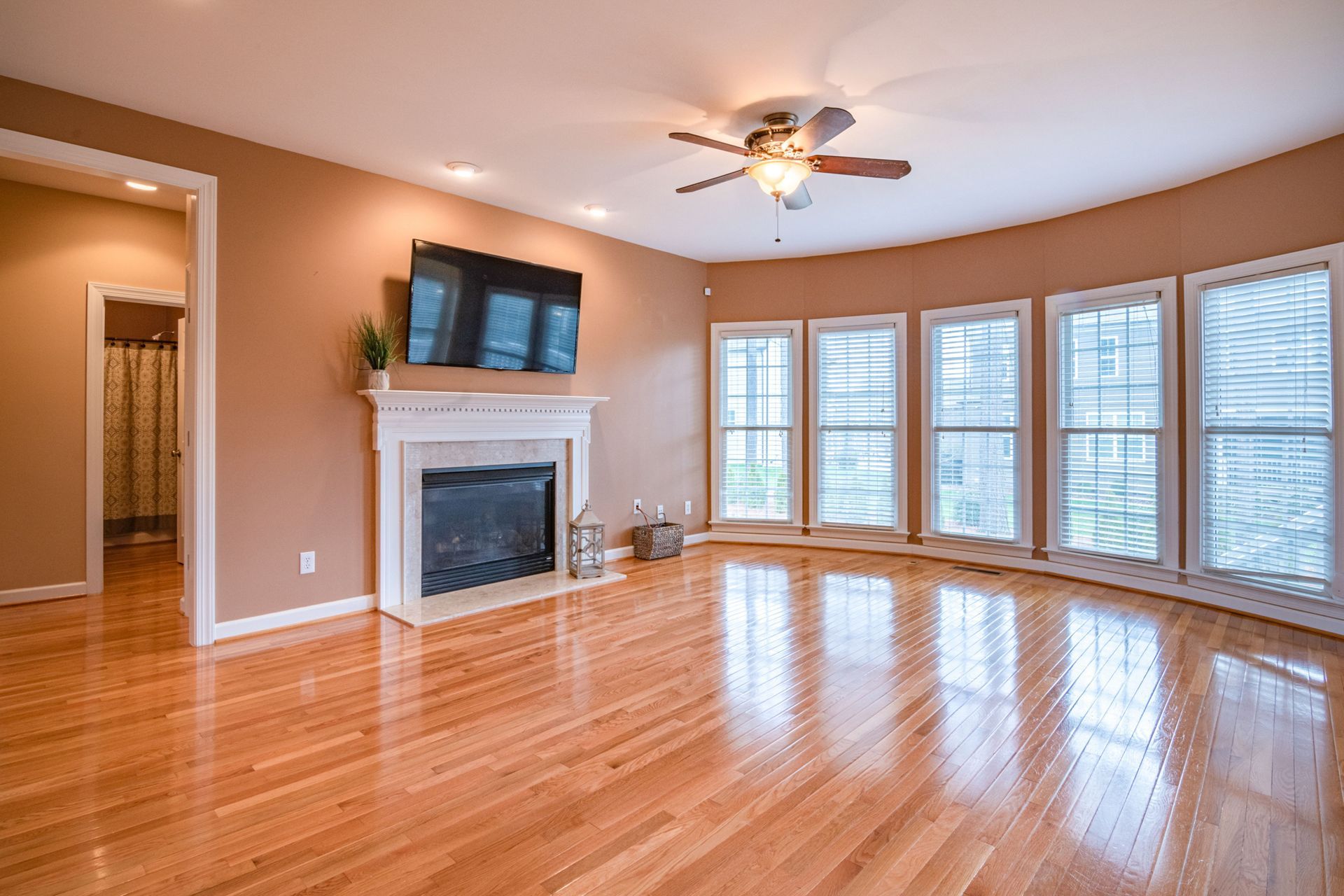
Once installed, you notice how the floor reflects ambient light differently than carpet or vinyl, creating depth and movement as sun angles shift through windows. The surface feels cooler underfoot than carpet but warmer than tile, and the acoustic quality changes—footsteps produce a hollow resonance rather than the muted thud of cushioned flooring. Originally New ensures the subfloor is level and clean before installation begins, which prevents squeaks and premature finish wear caused by planks flexing unevenly.
Hardwood works well in living rooms, dining areas, hallways, and bedrooms, but performs poorly in full bathrooms or laundry rooms where standing water occurs. Refinishing every ten to fifteen years restores the surface and allows color changes without removing the flooring entirely, which is why hardwood remains an investment rather than a consumable material.
Common Questions About Hardwood Installation
Clients often ask about durability, maintenance, and how hardwood compares to engineered alternatives before committing to installation.
What happens during the acclimation period?
Wood planks sit inside the home for three to seven days so their moisture content matches the interior environment, preventing gaps or expansion after installation when humidity levels change seasonally.
How do finishes differ in durability?
Oil-based polyurethane creates a harder surface that resists scratches better but ambers over time, while water-based finishes remain clear and dry faster but require more frequent reapplication in high-traffic areas.
Why does plank width affect installation cost?
Wider planks cover square footage faster but require more precise subfloor leveling because they bridge longer spans and reveal unevenness more visibly than narrow strips.
How does Grand Junction's dry climate affect hardwood?
Low humidity causes wood to contract during winter heating, which can create seasonal gaps between planks that close again when moisture levels rise, making proper acclimation and controlled indoor humidity important for long-term stability.
When should hardwood be refinished?
Surface scratches, worn finish in traffic paths, and dullness despite cleaning indicate it is time to sand and recoat, typically every ten to fifteen years depending on use and initial finish thickness.
Originally New handles measuring, species selection, and installation for new construction and remodeling projects. Schedule a showroom visit to see wood samples under consistent lighting and compare finish options that match your maintenance preferences.