
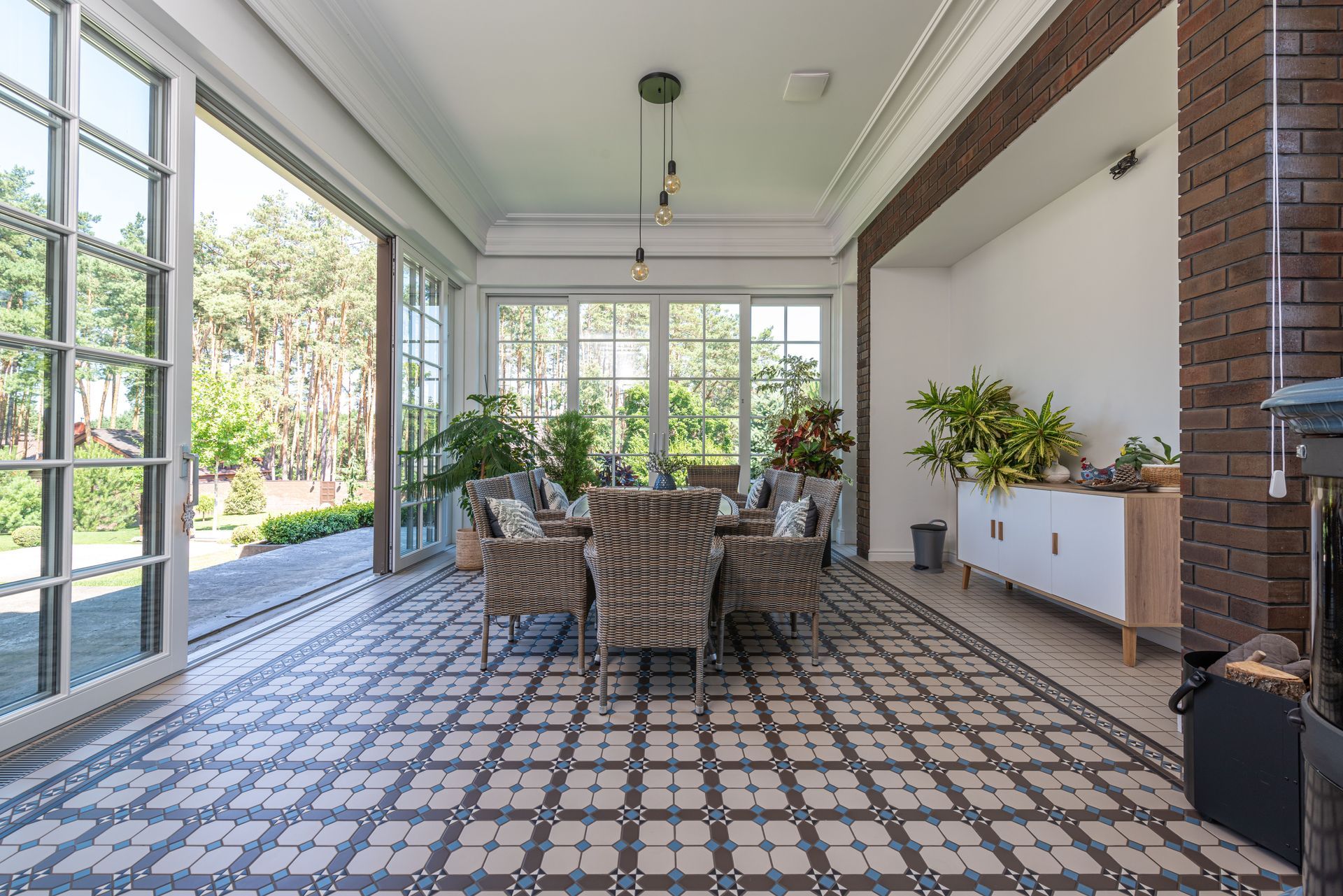
Surfaces That Survive Decades of Moisture
Tile Flooring in Grand Junction for kitchens, bathrooms, and entryways where water resistance is non-negotiable
Tile remains intact when water pools on the surface because the material does not absorb moisture, making it the standard for spaces where spills, splashes, and humidity occur daily. The installation process determines longevity more than tile quality alone—grout joints must be spaced consistently, mortar must bond fully to the substrate without voids, and the subfloor must remain rigid enough to prevent flexing that cracks tiles along edges. Originally New installs tile flooring in Grand Junction homes where bathrooms need waterproof surfaces, kitchens experience frequent spills, or entryways track in snow melt and mud that would damage wood or carpet. Ceramic and porcelain options offer different densities and absorption rates, with porcelain resisting moisture more completely and surviving freeze-thaw cycles in unheated spaces.
Installation begins with verifying the subfloor is level and stiff, since tile does not flex like vinyl or laminate and cracks when the substrate moves. Mortar thickness and trowel notch size determine bond strength, and grout joint width affects both appearance and cleaning difficulty. Sealers applied to grout lines prevent staining from spills but require reapplication every few years to maintain protection.
Request a showroom consultation to compare tile materials, sizes, and patterns suited to your space.
Why Grout and Substrate Preparation Matter More Than Tile Quality
Grout joints act as designed weak points that absorb movement and prevent stress from concentrating on tile edges. Narrow joints create a more seamless appearance but crack more easily when the subfloor flexes, while wider joints tolerate minor movement but collect dirt and require more aggressive cleaning. Epoxy grout resists staining better than cement-based grout but costs more and requires faster installation since it sets quickly. Substrate rigidity determines whether tiles crack—plywood subfloors must be thick enough to prevent deflection, and concrete slabs must cure fully before tile installation to avoid shrinkage cracks telegraphing through to the surface.
After installation, you notice water beads on the surface instead of soaking in, spills wipe clean without leaving stains, and the floor feels cold underfoot until radiant heating or rugs add warmth. The hard surface amplifies sound, making footsteps louder than on carpet or vinyl, but the durability means the floor looks the same years later without refinishing or replacement.
Tile works in kitchens, bathrooms, laundry rooms, mudrooms, and commercial spaces, but the hardness makes dropped dishes more likely to break and the surface uncomfortable for prolonged standing. Large-format tiles reduce grout line cleaning but require flatter subfloors to prevent lippage where edges do not align perfectly.
Questions About Tile Installation and Maintenance
Property owners ask about grout maintenance, tile size selection, and how porcelain differs from ceramic before committing to installation.
What makes porcelain different from ceramic?
Porcelain is fired at higher temperatures and absorbs less than half a percent of its weight in water, making it suitable for outdoor or unheated spaces where ceramic would crack during freeze-thaw cycles.
How often does grout need sealing?
Cement-based grout requires sealing every two to three years to prevent staining, while epoxy grout remains stain-resistant without sealer but costs more initially and requires faster installation.
Why do some tiles crack after installation?
Substrate flexing, voids in the mortar layer, or impacts on tile edges cause cracks, which is why proper subfloor preparation and full mortar coverage matter more than tile thickness alone.
How does tile size affect installation cost?
Large-format tiles cover area faster but require flatter substrates and more precise layout to prevent lippage, while smaller tiles tolerate minor subfloor irregularities but involve more grout lines and longer installation time.
What colors and patterns hide dirt longest in Grand Junction's dusty climate?
Mid-tone tiles with subtle texture or pattern disguise tracked-in dirt and grout discoloration better than white or black tiles, which show dust and water spots more visibly between cleanings.
Originally New provides measuring, material selection, and professional installation that ensures proper substrate preparation and grout application. Visit the showroom to see tile colors, sizes, and finishes displayed in full room settings for design inspiration before your project begins.