
Natural Appearance Without the Maintenance Burden
Laminate Flooring in Grand Junction for households where scratch resistance and budget both matter
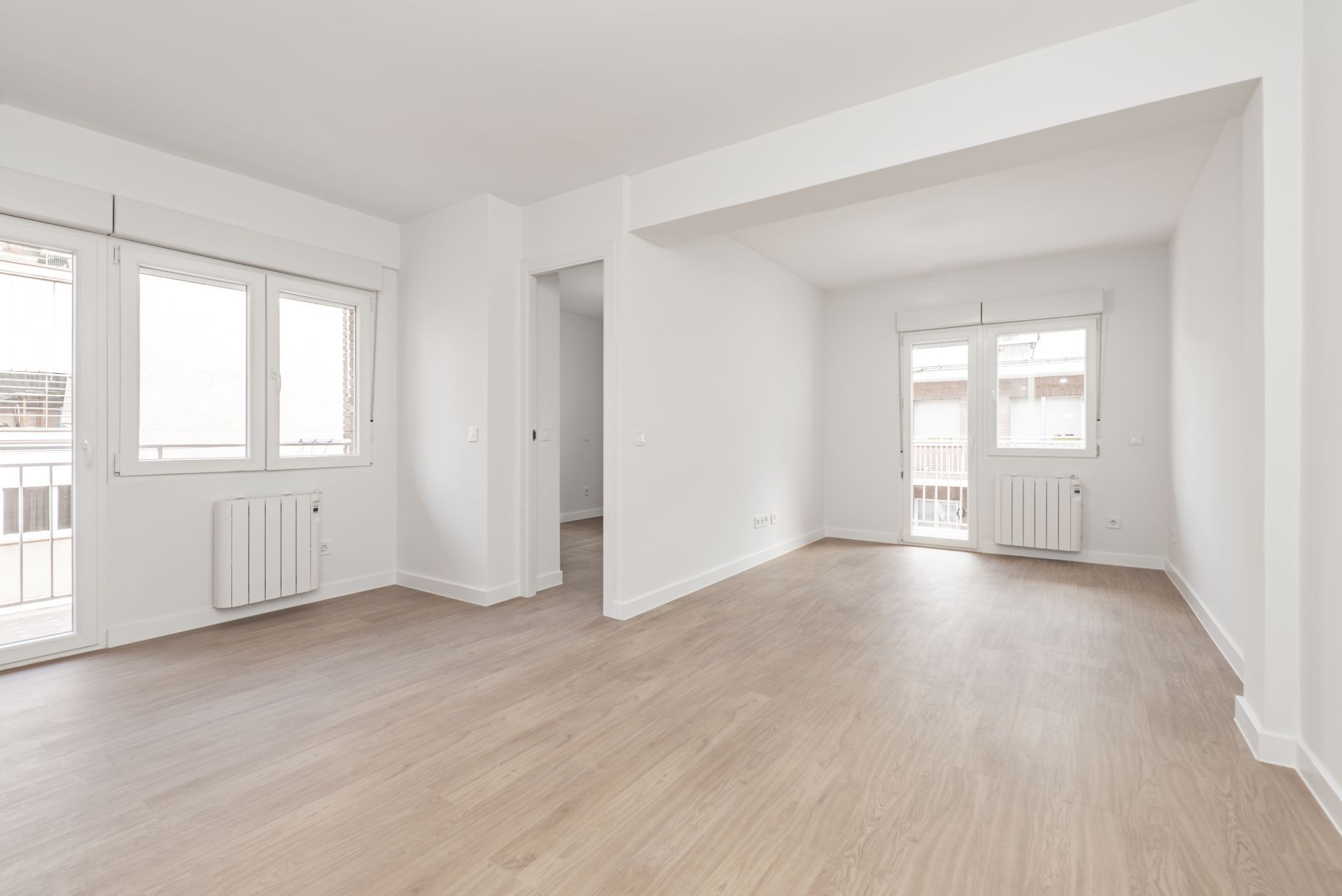
Furniture legs dragged across laminate leave fewer visible marks than similar impacts on hardwood or luxury vinyl because the surface layer resists scratches through a melamine or aluminum oxide coating. Originally New installs laminate flooring that replicates wood grain or stone patterns using high-resolution photography bonded to a fiberboard core, delivering the appearance of natural materials at lower cost and with easier maintenance. Families with children, pets, or high activity levels choose laminate when they want the look of hardwood without the refinishing requirements or the cost of solid wood. The planks click together without adhesive, floating over underlayment that allows the floor to expand and contract as humidity changes.
Installation involves leveling the subfloor to prevent planks from rocking at seams, laying moisture barrier underlayment to protect the fiberboard core from subfloor dampness, and staggering seams to distribute load and prevent continuous lines that weaken the installation. The AC rating—a wear classification system—indicates suitability for residential or commercial use, with higher ratings surviving heavier traffic and more abrasive conditions without showing wear patterns.
Schedule a consultation to compare laminate options with other flooring products based on your use patterns.
What AC Ratings Reveal About Durability
AC ratings range from AC1 for light residential use to AC5 for heavy commercial traffic. Most homes perform well with AC3-rated laminate, which resists scratches from pet claws, dropped utensils, and furniture movement without showing damage for years. Higher ratings use thicker wear layers and denser core materials, increasing cost but extending lifespan in spaces like entryways or kitchens where foot traffic concentrates. The core material—typically high-density fiberboard—determines how well the floor resists moisture, with cheaper products swelling and delaminating if water seeps into seams and reaches the core.
Once installed, you notice the floor feels slightly softer underfoot than tile or hardwood because the underlayment cushions each step, the surface stays cleaner because the smooth finish prevents dirt from embedding like it does in wood grain, and the material remains consistent in color without the fading or ambering that affects some hardwood finishes over time.
Laminate works in living rooms, bedrooms, dining areas, and hallways, but fails quickly in full bathrooms or spaces with regular moisture exposure because the fiberboard core swells when water penetrates seams. The floor cannot be refinished like hardwood—surface damage requires plank replacement rather than sanding and recoating.
What Homeowners Want to Know Before Installing Laminate
Clients typically ask about moisture resistance, noise levels, and how laminate compares to vinyl or hardwood in durability and appearance.
What happens if water reaches the core?
Fiberboard absorbs moisture and swells, causing planks to buckle or edges to lift, which is why laminate should not be installed in bathrooms or laundry rooms where standing water occurs regularly.
How does underlayment affect sound?
Foam or cork underlayment reduces the hollow sound laminate produces when walked on, dampening footsteps and preventing noise transfer to rooms below, which matters in multi-level homes or apartments.
Why do some laminates look more realistic than others?
High-resolution imaging with varied plank patterns and embossed textures that align with the printed grain create more convincing wood replication than low-cost products with repetitive patterns and smooth surfaces.
How does laminate perform in dry climates like Grand Junction?
The fiberboard core remains stable in low-humidity environments better than solid wood, which contracts and creates gaps, making laminate a practical choice for homes where indoor moisture levels fluctuate seasonally.
When should damaged planks be replaced?
Chips, deep scratches through the wear layer, or edge swelling from moisture exposure require plank replacement since laminate cannot be sanded or refinished like hardwood.
Originally New handles measuring, product selection, and installation that ensures proper subfloor preparation and seam alignment. Arrange a showroom visit to see laminate samples alongside hardwood and vinyl options so you can compare appearance, texture, and cost differences directly.