
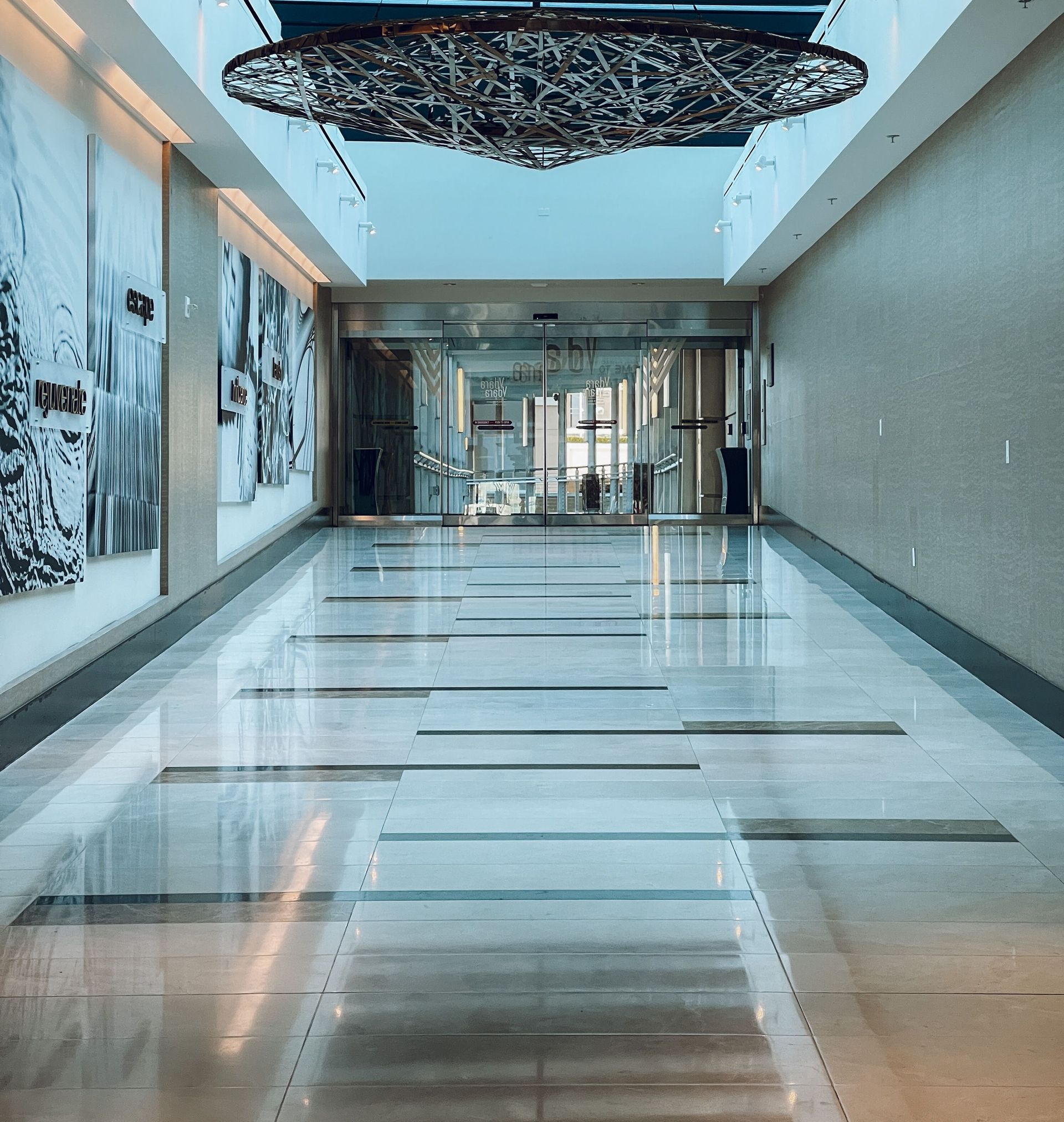
Floors Built to Handle Daily Business Operations
Commercial Flooring in Grand Junction for businesses managing heavy foot traffic and operational demands
Retail environments, medical facilities, hospitality spaces, and office buildings place different demands on flooring than residential properties, and materials selected for these settings must handle consistent traffic, wheeled equipment, frequent cleaning protocols, and the visible wear that comes with public use. Originally New installs commercial flooring systems designed for durability and minimal downtime across business environments in Grand Junction. Commercial carpet tile, luxury vinyl plank, ceramic tile, and hybrid surfaces provide options that balance performance requirements with budget considerations and aesthetic goals.
The service addresses flooring needs for offices, retail storefronts, healthcare settings, and hospitality properties where material performance directly affects both maintenance costs and customer perception. Installation scheduling accounts for business hours and operational flow to reduce disruption, with project timelines structured around when facilities can accommodate work crews without closing or limiting access to key areas.
Schedule an on-site evaluation to review traffic patterns, subfloor conditions, and material options suited to your facility type.
What Separates Residential and Commercial Flooring Requirements
Commercial installations require manufacturer-recommended adhesives, moisture barriers, and substrate preparation that meet higher performance standards than residential work, particularly in spaces where wheelchairs, carts, or heavy equipment create lateral stress on flooring surfaces. Material selection depends on factors including expected traffic volume, cleaning chemical compatibility, slip resistance ratings for public safety, and replacement cost projections over the flooring's functional lifespan.
After installation completes, you'll notice surfaces that maintain appearance under daily use without visible seam separation, edge curling, or finish degradation common in materials not rated for commercial application. Properly installed commercial flooring resists staining from tracked-in debris, supports routine maintenance without premature wear patterns in high-traffic lanes, and maintains dimensional stability in environments with temperature fluctuations or humidity variation typical of retail and office buildings.
Project planning includes coordination with other trades when flooring work coincides with buildouts, tenant improvements, or facility upgrades. Material lead times vary by product type and manufacturer stock levels, which affects scheduling for businesses working within construction timelines or lease agreement deadlines.
Questions About Commercial Flooring Projects
Business owners often ask about installation logistics, material performance, and how to minimize operational disruption during flooring projects.
What flooring materials work best for retail environments with constant customer traffic?
Commercial carpet tile offers modular replacement for high-wear areas, while luxury vinyl plank provides moisture resistance and ease of maintenance in spaces where spills and tracked moisture are common.
How is installation scheduled to avoid closing a business?
Work is planned during off-hours, weekends, or phased room-by-room to keep portions of your facility operational, with curing times and ventilation requirements factored into the timeline.
Why do commercial projects in Grand Junction require different preparation than residential installations?
The region's dry climate and temperature swings between seasons affect adhesive curing and material acclimation, requiring controlled staging and moisture testing before installation begins.
What factors affect how long commercial flooring lasts?
Traffic volume, maintenance practices, exposure to sunlight through storefront windows, and whether entry mats capture abrasive debris before it reaches interior flooring all influence wear rates and replacement timing.
When should existing flooring be replaced rather than refinished?
Replacement becomes necessary when substrate damage, outdated asbestos-containing materials, or structural deflection issues prevent proper installation of new surfaces over existing floors.
Originally New provides project estimates that account for material specifications, site preparation requirements, and installation scheduling tailored to your facility's operational needs. Request a consultation to review flooring options and timeline planning for your commercial space in Grand Junction.