
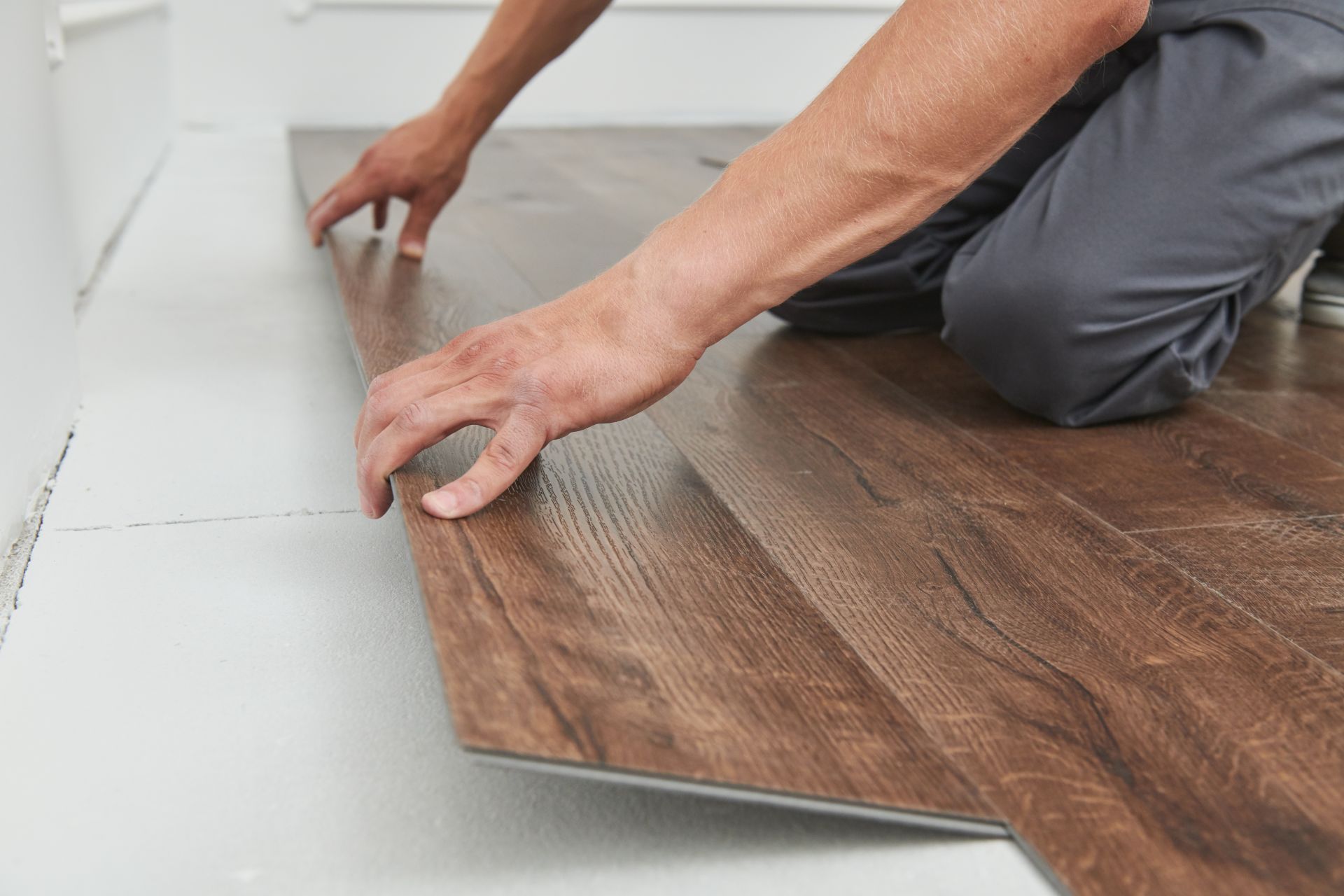
Removing Old Flooring Without Damaging Substrates
Floor Removal and Disposal in Grand Junction for properties replacing carpet, hardwood, laminate, vinyl, or tile
Old flooring systems conceal subfloor conditions that directly affect new installation outcomes, and removal processes that damage concrete slabs or wood substrates create repair costs that exceed the time saved by rushing through demolition. Originally New handles removal of existing carpet, hardwood, laminate, vinyl sheet, and tile flooring before new installations in Grand Junction, with disposal coordinated to keep project sites clear and allow substrate evaluation once surfaces are exposed. Removal methods vary by material, with carpet requiring tack strip extraction and pad removal, hardwood removal involving fastener withdrawal without splintering subfloors, and tile demolition requiring controlled breakage that protects underlying concrete or backer board.
The process starts with protective measures for adjacent rooms and fixtures, followed by systematic removal that separates flooring material from adhesive residue, underlayment, or fastening systems. Disposal includes hauling debris offsite rather than leaving material in driveways or requiring property owners to arrange separate waste removal.
Request a complete flooring replacement estimate that includes both removal and installation to understand total project costs and timeline requirements.
What Proper Removal Reveals About Subfloor Readiness
Removing existing flooring exposes moisture damage, structural deflection, and previous repair attempts that may require correction before new materials can be installed to manufacturer standards. Adhesive residue from older vinyl or carpet installations must be scraped or ground down to achieve the flat surface necessary for luxury vinyl plank or laminate installation, and thinset removal from tile projects often reveals cracks or unevenness in concrete slabs that need patching.
After removal completes, you'll see the actual condition of your subfloor rather than assumptions based on what existing flooring concealed, which allows accurate assessment of whether leveling compounds, moisture mitigation, or structural repairs are necessary. The workspace is cleared of debris and swept clean, providing a staging area for new material delivery and installation work to begin without delays caused by leftover demolition material obstructing access or creating dust contamination.
Some flooring materials, particularly those installed before the 1980s, may contain asbestos or other regulated substances that require specialized removal procedures. Visual inspection during initial consultation identifies when additional testing or certified abatement services are necessary before standard removal work can proceed.
Answers to Frequent Removal Questions
Property owners preparing for flooring replacement often ask about what removal involves, disposal logistics, and how it affects installation timelines.
What flooring types are most difficult to remove?
Tile set in thick mortar beds and vinyl sheet flooring glued with older solvent-based adhesives present the most labor-intensive removal challenges due to adhesive bond strength and the need to avoid subfloor damage during extraction.
How is debris disposed of after removal?
Material is loaded and hauled offsite to appropriate disposal facilities, with separation of recyclable components where applicable to reduce landfill volume.
Why does removal sometimes uncover additional work requirements?
Hidden water damage from past leaks, termite activity in wood subfloors, or settling that created unlevel surfaces only becomes visible once flooring is removed and substrates are exposed.
What preparation supports faster removal in Grand Junction properties?
Clearing furniture and providing unobstructed access from entry points to work areas allows crews to focus on removal rather than navigating obstacles, which reduces overall project time.
When should removal be scheduled relative to new flooring installation?
Removal typically occurs immediately before installation to minimize the period when substrates are exposed to traffic and potential damage, with both phases planned as consecutive parts of the same project timeline.
Originally New coordinates removal and disposal as part of comprehensive flooring replacement projects, ensuring substrates are properly prepared for new installations. Contact our team to schedule an evaluation and receive a detailed estimate covering all phases of your flooring project in Grand Junction.